
APPLICATION
Common knowledge and precautions about hot melt adhesive work
Classification:
Release time:
2020-10-27 11:00
Hot melt adhesive is solid at room temperature, available in granules, powder, glue blocks, glue sticks, etc. It comes in various shapes and types. When heated to a certain temperature, it reaches its melting point and becomes liquid, allowing for coating or bonding. After cooling down at low temperatures, it returns to a solid state. The advantages of this type of glue include reusability, high bonding strength, environmental friendliness, and no odor; it can also serve as a filler, which is why it is highly anticipated in the industrial sector. Next, I will share some basic knowledge about hot melt adhesive. Hot melt adhesive does not require as strict surface treatment of the bonded materials as other adhesives do; however, dust and oil on the surface should be properly treated to ensure that the hot melt adhesive performs well. Fast working time is a significant feature of hot melt adhesive. The working time for hot melt adhesive is usually around 15 seconds. With the widespread application of modern production methods—assembly lines—the demand for shorter working times for hot melt adhesives has increased; for example, bookbinding and speaker manufacturing require a working time of about 5 seconds. Hot melt adhesive is quite sensitive to temperature. When the temperature reaches a certain level, the hot melt adhesive begins to soften; if it falls below a certain temperature, it becomes brittle. Therefore, when choosing hot melt adhesive, one must fully consider the temperature changes in the environment where the product will be used. Hot melt adhesive granules are melted using a hot melt glue machine through heat; after melting, the glue turns into a liquid that is delivered to the surface of the bonded material through the hot melt glue machine's hose and gun. Once cooled down, bonding is completed. Using hot melt adhesive is actually quite simple; even non-professionals can use it at home by directly melting it with a lighter for bonding purposes. However, for optimal results, it's best to purchase a hot melt glue gun for use with hot melt adhesives. When used at high temperatures for extended periods of time, there may be misconceptions about achieving better performance under constant temperatures; this is clearly incorrect. If hot melt adhesive is continuously heated in high-temperature environments, its material properties will be affected leading to decreased performance and unsatisfactory bonding results. Therefore, thermal treatment should be conducted according to the material's absorption range. When using liquid hot melt adhesive during operation at high temperatures, extra caution should be taken; simple protective measures can enhance safety awareness—for example, wearing gloves can prevent hand burns.
Hot melt adhesive is solid at room temperature, available in granules, powder, glue blocks, glue sticks, etc. It comes in various shapes and types. When heated to a certain temperature, it reaches its melting point and becomes liquid, allowing for coating or bonding. After cooling down to a lower temperature, it returns to a solid state. The advantages of this type of adhesive include reusability, high bonding strength, environmental friendliness, and no odor. It can also serve as a filler, which is why it is highly anticipated in the industrial sector. Next, I will share some knowledge about the operation of hot melt adhesives.
Hot melt adhesive does not require as strict surface treatment of the bonded materials as other adhesives do; however, dust and oil on the surface should be properly treated to ensure that the hot melt adhesive performs well in bonding. Quick operation is one of the main features of hot melt adhesives.
The working time for hot melt adhesive is usually around 15 seconds. With the widespread application of modern production methods—assembly lines—the demand for shorter working times for hot melt adhesives is increasing. For example, bookbinding and speaker manufacturing require a working time of about 5 seconds.
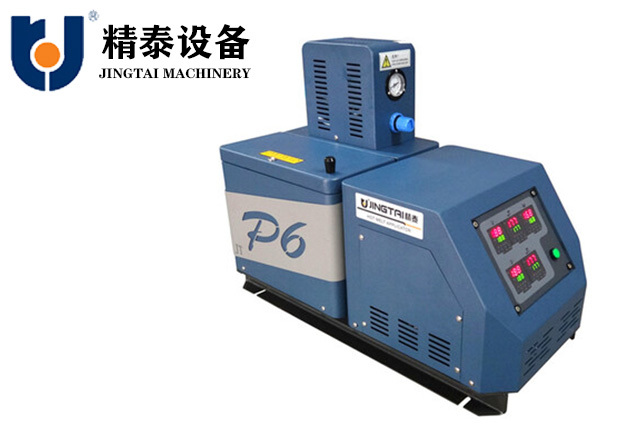
Hot melt adhesive is quite sensitive to temperature. When the temperature reaches a certain level, the hot melt adhesive begins to soften; if it falls below a certain temperature, it becomes brittle. Therefore, when choosing hot melt adhesive, one must fully consider the temperature changes in the environment where the product will be used. Hot melt adhesive granules are melted using a hot melt machine through heat; after melting, the glue becomes liquid and is delivered to the surface of the bonded material through the hot melt machine's hose and gun. Once cooled down, bonding is completed.
Using hot melt adhesive is actually very simple; even non-professionals can use it at home by directly melting it with a lighter for bonding purposes. However, for optimal results, it's best to buy a hot melt glue gun for using hot melt adhesives.
When used at high temperatures for extended periods, there may be misconceptions about achieving better performance under constant temperatures with products made from hot melt adhesives; this is clearly incorrect. If hot melt adhesive is continuously heated in high-temperature environments, its material properties will be affected leading to decreased performance and unsatisfactory bonding results. Therefore, thermal treatment should be based on the material's own tolerance range.
When working with liquid hot melt adhesive at high temperatures, extra caution should be taken during operation. Simple protective measures can enhance safety awareness; for example, wearing gloves can prevent hand burns.
Related Applications
Contact Information
Address: 157 Wanhong Road, Shuangyang Street, Luojiang District, Quanzhou City, Fujian Province

Mobile website